
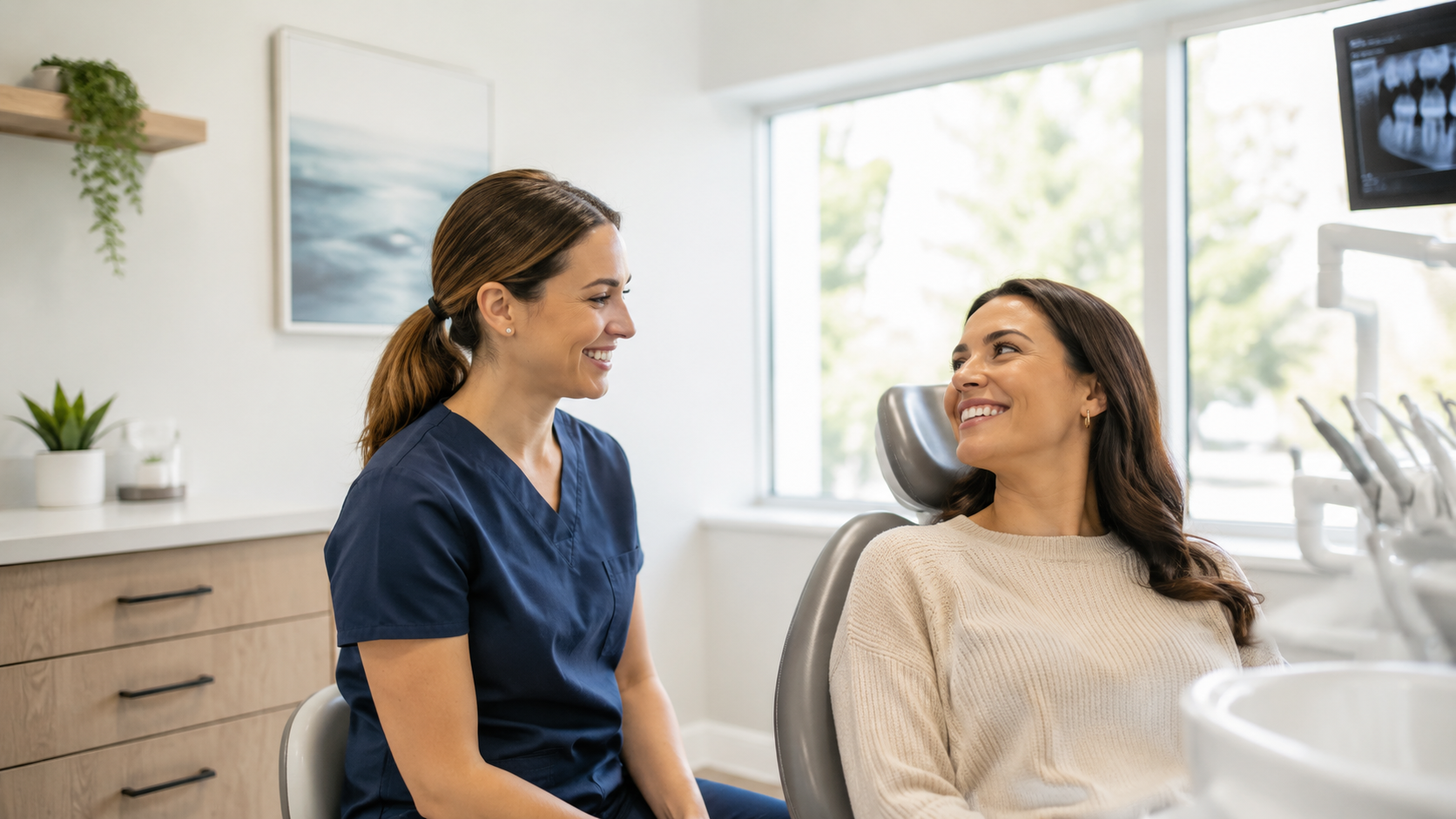
Finding the right dental home can make routine care feel simpler, calmer, and more predictable. For patients searching for general dentistry in Laguna Niguel, CA, the goal is often the same: keep teeth healthy, prevent small concerns from becoming bigger ones, and feel comfortable asking questions along the way.
General dentistry is the foundation of lifelong oral health. It includes preventive checkups, cleanings, digital imaging, tooth-colored fillings, gum health support, patient education, and guidance for concerns such as tooth sensitivity, bad breath, or jaw discomfort. For families, it may also include helping children build positive dental habits early and coordinating care as smiles grow and change.
This guide explains what general dentistry typically includes, why preventive care matters, and how patients can feel more confident before their next dental visit.
This article is for educational purposes only and does not replace personalized dental advice. Anyone with pain, swelling, bleeding, a broken tooth, or concerns about treatment options should consult a licensed dental professional for an exam and individualized recommendations.
General dentistry focuses on the day-to-day care of teeth, gums, and the structures that support a healthy smile. A general dentist is often the first professional a patient sees for routine oral healthcare, much like a primary care provider in medicine.
The main purpose of general dentistry is prevention. Regular visits help identify early signs of cavities, gum inflammation, bite concerns, enamel wear, oral habits, and other issues before they become more complex. When treatment is needed, general dental care often addresses common problems with conservative, comfort-focused solutions.
In a family-centered dental setting, general dentistry may also support children, teens, adults, and older adults at different stages of life. A child may need help learning how to brush well around new molars. A teen may need support keeping teeth clean during orthodontic treatment. An adult may need help managing sensitivity or replacing an old filling. Each stage has different needs, but the goal remains the same: protect the smile and support overall wellness.
Every dental office has its own approach, but general dentistry commonly includes a wide range of preventive, restorative, and educational services. Patients looking for general dentistry in Laguna Niguel, CA can expect care that helps maintain oral health and address everyday dental concerns.
A dental exam allows the dentist to evaluate teeth, gums, bite, jaw function, and the soft tissues of the mouth. These visits are important even when nothing hurts. Many dental concerns begin quietly, and early detection can make treatment more conservative and comfortable.
During an exam, the dental team may check for cavities, gum inflammation, tooth wear, cracked teeth, changes in existing dental work, and signs of oral health conditions that deserve closer attention.
Even excellent brushing and flossing cannot always remove hardened tartar. A professional cleaning removes plaque and tartar buildup, polishes the teeth, and helps reduce the bacteria that contribute to cavities and gum disease.
Cleanings also give patients a chance to ask practical questions, such as which toothbrush to use, how to floss around tight spaces, or whether a water flosser may be helpful.
Dental X-rays help reveal areas that are difficult or impossible to see during a visual exam. This may include decay between teeth, bone levels around the roots, developing teeth in children, or concerns beneath existing restorations.
Modern dental imaging is designed to be efficient and informative. The dentist can use these images to explain findings clearly, helping patients understand what is happening and why a recommendation may be made.
When a cavity develops, a filling may be recommended to remove the decayed portion of the tooth and restore its shape and function. Tooth-colored materials are commonly used because they blend naturally with the smile.
The best treatment depends on the size and location of the cavity, the condition of the tooth, and the patient’s overall oral health. A dentist can explain the options and what to expect before treatment begins.
Healthy gums are essential for a healthy smile. General dentistry often includes screening for gingivitis and periodontal disease. Early gum inflammation may cause redness, tenderness, swelling, or bleeding when brushing or flossing.
Depending on the findings, a dental team may recommend improved home care, more frequent cleanings, or periodontal therapy. Gum health matters because the gums and supporting bone help keep teeth stable over time.
Preventive care may include fluoride treatments, dental sealants, brushing and flossing coaching, nutritional guidance, and custom recommendations based on a patient’s cavity risk.
Sealants are often recommended for children’s back teeth because the grooves of molars can trap food and bacteria. Adults at higher risk for decay may also benefit from added preventive support.
Preventive dentistry is about staying ahead of problems. A small cavity, for example, may not cause discomfort at first. If it grows deeper, it can lead to sensitivity, pain, infection, or the need for more involved treatment.
Regular visits help patients avoid surprises. They also make it easier to track changes over time. A dentist may notice that enamel is wearing down from grinding, that gums are becoming more inflamed, or that a child’s bite is developing in a way that may need monitoring.
Prevention also supports comfort. Many patients feel more relaxed when they visit regularly because appointments become familiar. Instead of only seeing the dentist during emergencies, patients build a relationship with the dental team and feel more informed about their health.
For busy families, convenience and trust matter. A dental office that understands children, teens, and adults can help make oral healthcare feel less stressful. Parents may appreciate guidance on everything from thumb-sucking and brushing routines to sports mouthguards and orthodontic timing.
Children often benefit from a gentle, encouraging approach. Early dental visits help kids become familiar with the sights, sounds, and routines of dental care. When children feel safe and supported, they are more likely to develop healthy habits that last into adulthood.
Teens have their own needs, especially if they are wearing braces or clear aligners. Keeping teeth clean during orthodontic treatment takes extra attention. General dentistry can help monitor gum health, spot early enamel changes, and reinforce brushing techniques around brackets, wires, or aligner attachments.
Adults may focus on maintaining existing dental work, improving gum health, managing sensitivity, or restoring teeth after wear and tear. Older adults may need support for dry mouth, receding gums, crowns, bridges, implants, or changes related to medications. A thoughtful dental team can tailor recommendations to each patient’s stage of life.
A first dental visit usually starts with a conversation. The dental team may ask about medical history, medications, past dental experiences, current concerns, and goals for the visit. This information helps the dentist understand the whole patient, not just the teeth.
The appointment may include a comprehensive exam, digital X-rays if needed, gum measurements, an oral cancer screening, and a discussion of findings. Some patients may also have a cleaning during the same visit, depending on their needs and the type of cleaning recommended.
Patients should feel welcome to ask questions. Helpful questions may include:
A good dental visit should leave patients feeling informed, not pressured. The dentist should explain findings in everyday language and discuss reasonable next steps.
Dental anxiety is common, and many patients delay care because they are worried about discomfort, cost, or being judged. A warm dental team understands this and works to create a more reassuring experience.
Comfort-focused general dentistry may include clear explanations before each step, gentle techniques, breaks during treatment, topical anesthetic before numbing, and a calm environment. For some procedures, local anesthesia can help keep the area comfortable. Patients with significant anxiety should tell the dental team in advance so the visit can be planned with extra care.
It is never too late to return to the dentist. Whether it has been six months or several years, the first step is simply gathering information. From there, the dental team can help prioritize what matters most.
The mouth is part of the body, and oral health can affect daily comfort, nutrition, speech, confidence, and quality of life. Painful teeth can make chewing difficult. Gum inflammation can affect breath and comfort. Missing or damaged teeth can change how a person bites or smiles.
Some health conditions and medications can also affect the mouth. Dry mouth, for example, may increase the risk of cavities because saliva helps protect teeth. Diabetes, pregnancy, and certain immune conditions may influence gum health. This is one reason a complete medical history is important at dental visits.
General dentistry does not replace medical care, but it can support a patient’s overall wellness by helping identify oral concerns and encouraging timely care when needed.
Many patients benefit from routine dental visits about every six months, though some people may need more frequent care depending on gum health, cavity risk, orthodontic appliances, medical conditions, or past dental history.
Patients should contact a dental professional sooner if they notice:
Symptoms do not always mean something serious, but they deserve attention. Prompt evaluation can help reduce discomfort and prevent complications.
Choosing a dentist is personal. Patients often want a provider who is skilled, approachable, and easy to communicate with. When researching general dentistry in Laguna Niguel, CA, it may help to consider the full experience, not just the list of services.
A patient should understand what the dentist sees, what it means, and what options are available. Clear explanations help reduce fear and make decisions easier.
Families may prefer an office that can support children, teens, and adults. A team experienced with growing smiles can help children feel comfortable and guide parents through different stages of development.
A prevention-focused dental office looks for ways to protect teeth before problems grow. This includes education, risk assessment, and practical home care tips.
Patients should feel respected, heard, and never embarrassed about their oral health. Trust is especially important for people who feel nervous about dental visits.
Great dental care does not only happen in the chair. Daily habits play a major role in keeping teeth and gums healthy between visits.
Small habits add up. A few minutes each day can help prevent cavities, protect gums, and make dental appointments easier.
Many patients are advised to visit every six months for an exam and cleaning, but the ideal schedule depends on individual needs. Patients with gum disease, frequent cavities, orthodontic appliances, dry mouth, or certain medical conditions may need more frequent visits.
Most cleanings are comfortable. Patients with sensitive teeth or inflamed gums may feel some tenderness, but the dental team can adjust techniques and offer tips to improve comfort. Letting the hygienist know about sensitivity is always helpful.
Yes. Children benefit from routine exams, cleanings, fluoride, sealants when appropriate, and guidance on brushing, flossing, diet, and growth patterns. Early positive visits can help children feel confident about dental care.
General dentistry focuses on overall oral health, including cleanings, exams, cavities, gum health, and prevention. Orthodontics focuses on tooth and jaw alignment, often using braces or clear aligners. The two areas often work together, especially for children and teens.
Yes. Many dental problems do not cause pain in the early stages. Routine visits help catch concerns early and keep the mouth healthy before discomfort begins.
A nervous patient should share any concerns before or during the appointment. It helps to mention past negative experiences, fear of needles, sensitivity, gagging, or embarrassment. A caring dental team can slow down, explain each step, and help the patient feel more in control.
General dentistry is about more than fixing teeth. It is about prevention, comfort, education, and building trust over time. For patients and families searching for general dentistry in Laguna Niguel, CA, the right dental team can make routine care feel approachable and empowering.
Whether someone is due for a cleaning, has a specific concern, or simply wants to establish a dental home, scheduling a consultation is a helpful first step. Patients are encouraged to ask questions, share goals, and learn what options may support a healthier, more confident smile.