
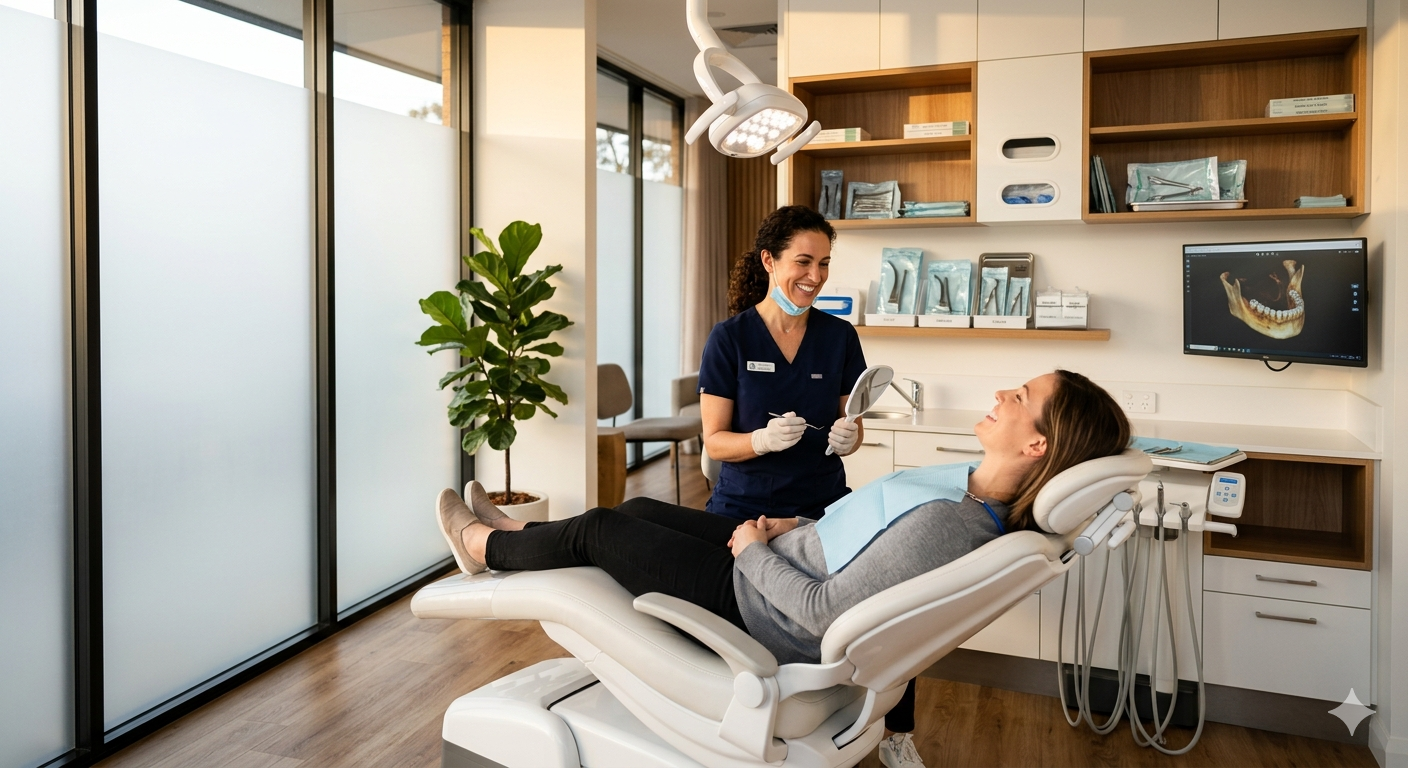
For anyone considering braces in Laguna Niguel, CA, finding a local orthodontist who combines comfort with effective care is key. Many residents want to improve their smiles but worry about discomfort or how treatment fits into their busy lives.
Braces in Laguna Niguel offer a range of modern options that make straightening teeth easier and more comfortable than ever. These include traditional metal braces, clear aligners, and less noticeable ceramic braces tailored to each patient’s needs.
Orthodontists here focus on creating personalized treatment plans that prioritize patient comfort and long-term oral health. Understanding what to expect and the benefits of modern technology can help make the decision to start braces a positive and confidence-boosting experience.
Braces gently guide teeth into their proper positions by applying consistent pressure over time. They help correct alignment issues, improve bite function, and can enhance overall dental health. Different types of braces and treatment plans make it easier to find an option tailored to individual needs.
Braces use brackets attached to the teeth, connected by archwires, which apply steady pressure to move teeth. The pressure causes bone to remodel around the roots, allowing teeth to shift gradually. Adjustments made during regular orthodontic visits keep the movement controlled and targeted.
This process can take anywhere from several months to a few years, depending on the severity of misalignment. Modern braces focus on comfort and efficiency, often incorporating materials that reduce irritation and treatment time.
People of almost any age can benefit from braces, not just children or teenagers. Adults seeking to fix crooked teeth, gaps, or bite problems often find braces improve both function and confidence. Orthodontic consultations evaluate each patient’s unique dental structure to recommend the best treatment.
Braces are especially helpful for those with difficulty chewing, speech issues, or jaw pain caused by misaligned teeth. Early intervention for younger patients can prevent more serious dental problems later in life.
Braces correct a variety of dental problems such as overcrowding, crooked teeth, gaps, overbites, underbites, and crossbites. They also help with jaw alignment and can reduce wear on teeth caused by improper bites.
Treating these issues often prevents complications like tooth decay and gum disease. Braces create a stronger, healthier bite and improve overall oral hygiene by making teeth easier to clean.
Patients seeking orthodontic treatment in Laguna Niguel have several options tailored to different needs, lifestyles, and preferences. These range from traditional metal braces to nearly invisible solutions, each with its own benefits related to appearance, comfort, and treatment duration.
Traditional metal braces remain the most common and effective choice for correcting a wide variety of alignment issues. They consist of stainless steel brackets attached to the teeth and connected by a metal wire, which is periodically tightened to gradually move the teeth into place.
These braces are durable and often the most affordable option. Today’s metal braces are smaller and more comfortable than in the past, and patients can even choose colored bands to personalize their look. They work well for complex cases involving severe misalignment or bite issues.
Ceramic braces offer a less noticeable alternative to metal braces by using clear or tooth-colored brackets. These blend in with the natural teeth, making them a popular choice for adults and self-conscious teens.
While ceramic braces are more fragile than metal ones, they still provide strong, consistent pressure needed to move teeth effectively. They cost more than metal braces and require careful cleaning to prevent staining. Ceramic braces balance aesthetics with effectiveness particularly well.
Clear aligners, such as Invisalign, use a series of custom-made, removable trays to gradually shift teeth into the desired position. Their main advantage is that they are nearly invisible and can be taken out when eating or brushing.
They work best for mild to moderate orthodontic issues and require patient discipline to wear them for 20-22 hours per day. Treatment typically lasts 12 to 18 months, and aligners are replaced every few weeks. Clear aligners are popular for their comfort and convenience.
Lingual braces are placed on the inner side of the teeth, making them invisible from the outside. They offer a discreet option for patients who want the benefits of traditional braces without the visible hardware.
These braces are custom-made to fit the contours of the back of the teeth and can address complex orthodontic problems. However, they often cause initial discomfort to the tongue and may affect speech temporarily. Lingual braces require specialized orthodontists trained in this technique and can be more expensive.
Orthodontic care in Laguna Niguel now features options that blend aesthetics with comfort. Technology has made braces less noticeable and more user-friendly, helping patients feel confident throughout treatment.
Patients can choose from clear aligners, ceramic braces, or lingual braces to reduce the visual impact of traditional metal brackets. Clear aligners, like Invisalign, fit snugly and are removable, making them popular for adults and teens. Ceramic braces use tooth-colored materials, helping them blend in naturally. Lingual braces attach behind the teeth, making them invisible from the front.
These options provide the benefit of discreet treatment without sacrificing effectiveness. They suit different lifestyles and preferences, allowing patients to maintain a natural smile while straightening their teeth.
Modern braces are designed with patient comfort in mind. NiTi (nickel-titanium) wires, known for their flexibility, apply gentle, consistent pressure to move teeth painlessly. Adjustable brackets minimize irritation to gums and cheeks.
Digital scanning replaces traditional molds, speeding up appointments and improving precision. Treatment plans can now be customized with 3D imaging, predicting results and adjusting the timeline. These advances help reduce discomfort and boost the efficiency of orthodontic care.
Finding an orthodontist who matches your needs means focusing on clear qualities, proven experience, and care that centers on patients’ comfort and concerns. Local options vary, so knowing what sets a good provider apart can guide informed decisions.
An ideal orthodontist should have strong communication skills and a welcoming office environment. Patients often appreciate providers who explain procedures simply and listen closely to questions or worries.
Look for a practice that uses modern technology like digital scans or clear aligners, which can improve comfort and treatment accuracy. Availability for emergencies and flexible appointment times also show a commitment to patient convenience.
Key qualities include:
These traits help build trust and reduce anxiety throughout treatment.
Experience directly impacts treatment outcomes. Orthodontists who have worked with various cases are more skilled at handling challenges specific to each patient’s teeth alignment.
Check how many years the orthodontist has practiced and ask about their training beyond dental school, such as specialized orthodontic residencies. Those with a track record of successful cases in Laguna Niguel will be familiar with the community’s needs and dental health patterns.
Experience also means familiarity with a wider range of treatment options—metal braces, ceramic braces, or Invisalign—and the ability to customize plans effectively for better results.
Orthodontics isn’t just about teeth; it’s about how treatment fits into daily life. A patient-focused orthodontist prioritizes comfort, offering pain management options and clear guidance on maintenance during treatment.
They also take time to understand lifestyle factors, such as job demands or sports activities, to prevent disruptions or injuries. Personalized support like reminders and progress updates helps patients feel connected and cared for.
Practices that foster a warm, supportive atmosphere and encourage open conversation typically enhance patient confidence. This approach reduces fear and improves cooperation, leading to smoother treatment journeys.
Starting braces is a step toward a healthier, more confident smile. The process involves several key stages, from your initial consultation to regular adjustment visits. Each phase is designed to ensure your treatment is effective, comfortable, and tailored to your needs.
During the first consultation in Laguna Niguel, the orthodontist conducts a thorough exam of the teeth, jaws, and bite. This typically includes digital X-rays and photographs to create a detailed treatment plan. The orthodontist explains the types of braces available—metal, ceramic, or clear aligners—based on the patient’s goals and lifestyle.
Patients will have the chance to ask questions about comfort, duration, and costs. This visit helps set clear expectations, including any necessary preliminary work like extractions or fillings. The office team also discusses payment options and insurance coverage to make treatment affordable.
Treatment length usually ranges from 12 to 24 months but can vary according to the complexity of the case. Early phases focus on aligning teeth and correcting bite issues. The middle stage often involves fine-tuning, where the orthodontist adjusts wires and brackets to perfect tooth positions.
Patients are advised to maintain good oral hygiene and follow dietary guidelines to avoid damage to braces. Progress is monitored with periodic imaging and check-ups to ensure the teeth move as planned. The timeline may slightly change but stays on track with regular care and adjustments.
Adjustment visits occur every 4 to 6 weeks and are vital to the success of orthodontic treatment. During these appointments, the orthodontist tightens wires, replaces bands if needed, and checks for any issues like loose brackets. These visits typically take 20 to 30 minutes.
Patients may experience mild soreness after adjustments, which usually fades within a few days. The orthodontist provides tips for managing discomfort and reminders for cleaning around braces. These regular check-ins keep the treatment progressing smoothly and help address any concerns promptly.
Taking care of braces involves consistent cleaning, mindful eating, and avoiding habits that could cause damage. Keeping teeth and gums healthy during orthodontic treatment helps prevent discomfort and ensures better results.
Brushing teeth after every meal is essential when wearing braces. Use a soft-bristled toothbrush and fluoride toothpaste. Holding the brush at a 45-degree angle helps clean around brackets and wires more effectively.
Flossing can be tricky, but using floss threaders or interdental brushes removes food stuck between wires. Rinsing with an antimicrobial mouthwash reduces plaque buildup and keeps gums healthy.
Regular dental checkups and professional cleanings are crucial. They allow for early detection of issues and adjustment of braces to maintain progress.
Eating soft foods reduces the risk of damaging braces. Examples include yogurt, pasta, soft fruits, and cooked vegetables. Avoid sticky, hard, or chewy foods like caramel, nuts, and popcorn.
Cut food into smaller pieces to make chewing easier and protect brackets from breaking. Drinking plenty of water helps wash away food particles and keeps the mouth fresh.
Chewing on pens, ice, or fingernails should be avoided. These habits can bend wires or loosen brackets, causing delays in treatment.
White spots or tooth decay can develop around brackets without proper hygiene. Cleaning thoroughly and using fluoride products helps prevent these problems.
Sometimes braces cause irritation or sores on cheeks and lips. Orthodontic wax applied to brackets cushions these areas and improves comfort.
If wires poke or cause pain, an orthodontic appointment should be scheduled promptly. Early professional adjustments reduce discomfort and prevent damage.
Wearing braces involves some adjustments, but most patients find that proper care and preparation make a big difference. Understanding comfort management and social changes can help ease the transition.
Braces may cause soreness, especially after tightening appointments. This discomfort usually lasts a few days and can be eased with over-the-counter pain relievers like ibuprofen.
Orthodontic wax is a simple tool that reduces irritation from brackets rubbing against cheeks and lips. Applying it helps prevent sores and makes eating more comfortable.
Soft foods such as yogurt, mashed potatoes, and smoothies are recommended right after adjustments. Patients should avoid hard, sticky, or chewy foods that risk damaging wires or brackets.
Regular oral hygiene is important. Using a soft-bristled toothbrush and special flossers designed for braces prevents plaque buildup, reducing the risk of gum inflammation and discomfort.
Braces can affect speech temporarily, especially when first put on. Most people adapt within a week by practicing speaking slowly and clearly.
Confidence can be a concern, particularly for teens. Many discover that braces spark conversations and often feel more positive about their smile as treatment progresses.
Daily routines will include extra time for cleaning teeth and braces. Drinking plenty of water and avoiding sugary snacks helps keep teeth healthy and fresh.
Physical activities are safe with braces, but wearing a mouthguard during sports is essential to protect against injury to both the mouth and the braces. This simple precaution prevents costly damage.
Orthodontic treatment brings more than just straighter teeth. It also shapes how patients feel about their smile and supports their oral health for years to come.
A well-aligned smile can make a big difference in how someone sees themselves. When teeth are properly positioned, it often boosts confidence in social and professional settings.
Patients often feel more comfortable smiling and speaking after treatment. That new confidence can encourage better overall communication and increase self-esteem. For younger patients, this positive change can help them develop strong social skills early on.
Braces today are designed to be less noticeable and more comfortable, making treatment less intimidating. With options like ceramic braces or clear aligners, achieving a confident smile fits easily into busy lives.
Straight teeth are easier to clean, reducing the risk of cavities and gum disease. Misaligned teeth can create tight spaces where plaque hides, so correcting alignment helps improve daily oral hygiene.
Properly aligned teeth also reduce excessive wear and strain on the jaw. This helps prevent issues like TMJ disorders and uneven enamel erosion. It supports maintaining healthy teeth and gums throughout life.
Orthodontic treatment can improve bite function, which impacts chewing and speaking. A balanced bite distributes pressure evenly, protecting teeth and jaw joints from damage.
Patients who invest in orthodontics often see fewer dental problems later, saving on costly treatments down the line. This preventive benefit is a key reason many choose braces in Laguna Niguel.
The first step toward a confident smile in Laguna Niguel starts with an orthodontic consultation. During this visit, the orthodontist will review your dental history and discuss your goals for treatment.
They’ll perform a thorough exam, which often includes taking X-rays and photos. These help to evaluate teeth alignment, bite issues, and jaw structure.
Patients can expect a relaxed and informative conversation. The orthodontist will explain different treatment options, from traditional braces to clear aligners, outlining benefits and timelines.
Here’s what a typical consultation covers:
| What Happens | Why It Matters |
|---|---|
| Dental exam and X-rays | Understand current dental health |
| Discussion of goals | Tailor treatment plan |
| Review of options | Choose best braces or aligners |
| Cost and insurance talk | Plan financial aspects |
Comfort and care are priorities. The specialist answers any concerns, from expected discomfort to treatment duration.
Encourage patients to prepare questions beforehand. This visit is about finding the right approach for each unique smile.
If you’re considering braces in Laguna Niguel, scheduling a consultation is the perfect next step toward that healthier, straighter smile.
Orthodontic treatment choices, duration, and care can feel overwhelming. Understanding the differences between options, signs for treatment, and what to expect during visits can make the process much smoother.
Common signs include crooked teeth, gaps, difficulty chewing, or a jaw that shifts when opening and closing. Persistent thumb-sucking beyond age 5 or speech difficulties can also indicate the need for evaluation.
Early assessment by an orthodontist helps catch problems before they worsen. They can identify issues even if they aren’t obvious yet.
Metal braces are durable and effective for all ages, using metal brackets and wires. Ceramic braces offer a less noticeable look with tooth-colored materials. Clear aligners are removable plastic trays that straighten teeth discreetly.
Choosing depends on lifestyle, aesthetic preference, and treatment needs. An orthodontist can help decide which fits best.
Treatment typically lasts 12 to 24 months but can be shorter or longer depending on complexity. Factors like age, severity of misalignment, and patient compliance impact timing.
Regular appointments and following care instructions can help speed progress. Missed visits or poor appliance care may delay results.
Using a soft toothbrush and fluoride toothpaste is important. Rinsing with saltwater can ease soreness. Avoid sticky and hard foods that might damage brackets or cause discomfort.
Wax can protect irritated areas inside the mouth. Good oral hygiene prevents plaque buildup around braces.
The orthodontist will examine teeth, jaws, and bite. X-rays or digital scans usually are taken to get detailed images needed for a personalized treatment plan.
The visit involves discussing goals, options, and answering any questions to ensure comfort and clarity.
Most offices offer flexible payment plans to spread costs over time. Many dental insurance plans cover part of treatment, especially for children.
Financing options like low-interest loans or credit programs may also be available. It’s best to check with the office and insurance provider for specific details.