
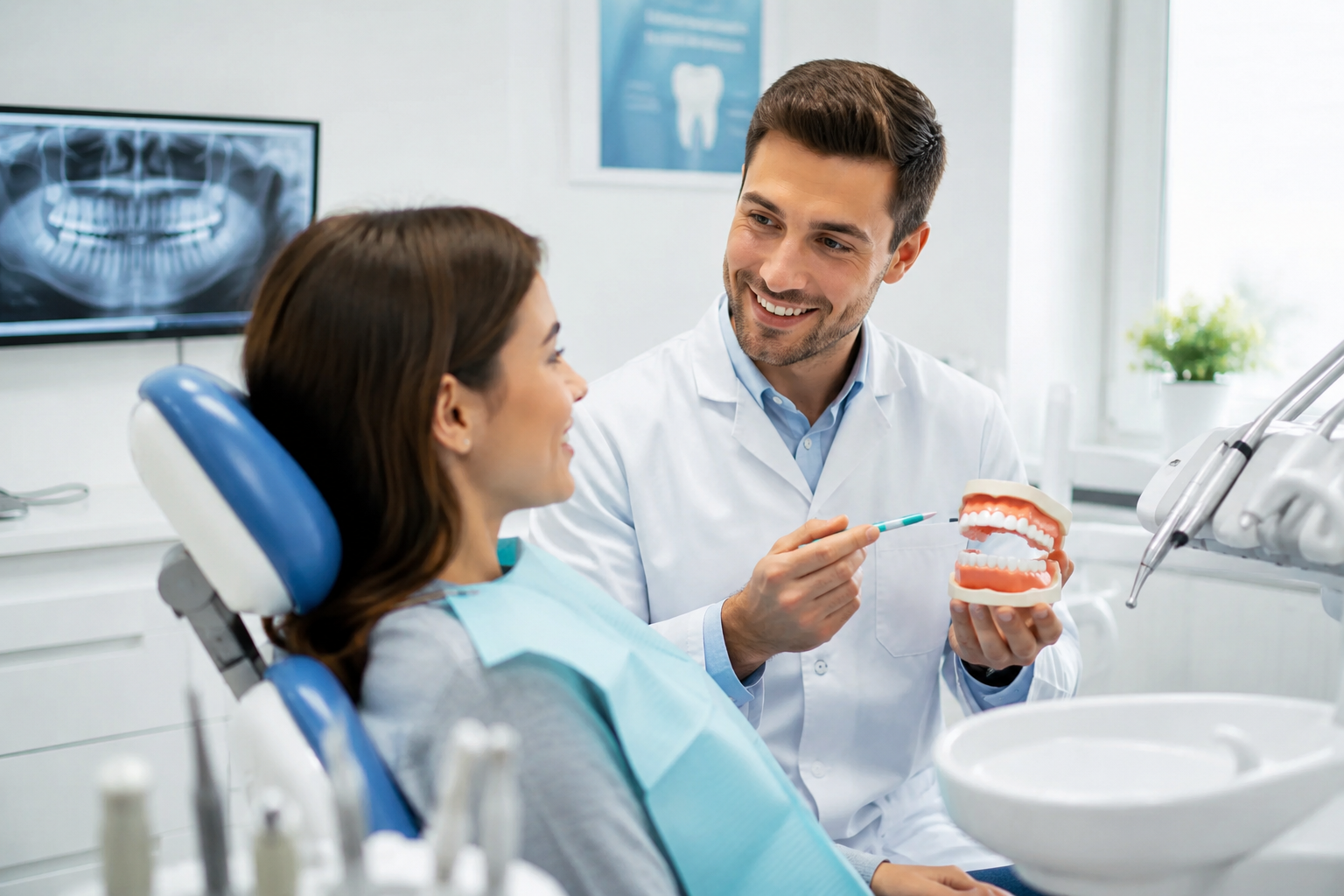
You can find a family dentist in Laguna Niguel who treats every age with gentle, modern care and practical prevention strategies tailored to your household. A local family dentist keeps your children, teens, and adults healthy with routine checkups, fluoride and sealants for kids, restorative fixes for worn or damaged teeth, and cosmetic options to boost confidence—all under one roof.
They focus on comfort-first pediatric care, clear explanations of treatment choices, and financial options that make consistent care realistic for busy families. This article will explain what sets neighborhood family dentistry apart, the core preventive and restorative services to expect, and how to choose a dental home that supports lifelong oral health.
Local family dental practices prioritize comfort, continuity, and convenience through care tailored to real families. They combine preventive routines, age-appropriate treatments, and community-minded services to keep oral health simple, predictable, and accessible.
A family dentist in Laguna Niguel often starts visits with a structured intake that notes medical history, past dental work, and patient preferences. Reception staff and clinicians review insurance and payment options up front, reducing surprises and streamlining follow-up scheduling.
Clinicians adapt explanations and treatment plans to each family member’s needs. For children, providers use stepwise introductions to instruments and short visits to build trust. For adults, they discuss cosmetic and restorative options with photos, cost estimates, and timelines so patients can make informed choices.
Many local offices assign a primary hygienist or dentist to each patient to ensure continuity. That familiarity helps spot subtle changes across visits—early cavities, shifting bite patterns, or gum recession—so interventions remain conservative and timely.
Family dental offices in Laguna Niguel cover routine care and more advanced procedures under one roof. Typical services include: cleaning and fluoride for kids, digital X-rays, sealants, white fillings, crowns, root canals, implant restorations, and simple orthodontic monitoring.
They combine preventive scheduling with age-specific screens: early childhood caries risk assessments, adolescent wisdom-tooth evaluations, and periodontal checks for older adults. This reduces the need to refer out for basic procedures and keeps records centralized for coordinated care.
On-site technology—digital imaging, intraoral cameras, and electronic records—speeds diagnosis and lets clinicians show patients exactly what they see. That visual approach helps families weigh options such as composite fillings versus crowns or financing for implants.
Local dentists often participate in Laguna Niguel health fairs, school screenings, and charity clinics. These outreach activities increase access to fluoride varnish programs and oral-health education in community centers and elementary schools.
Practices typically work with nearby specialists—periodontists, oral surgeons, pediatric dentists—creating referral networks that preserve continuity. They also partner with local labs and dental supply companies to keep turnaround times for crowns and prosthetics short.
Many offices support patient convenience with evening hours, bilingual staff, and online booking. They often accept regional insurance plans and offer membership or in-office savings plans for uninsured families, reducing barriers to routine care.
These services aim to keep teeth healthy, prevent decay, and teach good habits that last a lifetime. They focus on regular checkups, protective treatments, and age-appropriate education to reduce cavities and dental anxiety.
Routine exams and cleanings typically occur every six months for most patients, though the dentist may recommend more frequent visits for children with high cavity risk or adults with gum disease. Each visit includes a visual exam, periodontal probing to measure gum health, and a professional cleaning that removes plaque and stubborn tartar.
Digital X-rays are used selectively to catch problems between teeth or below the gumline; they use low radiation and provide fast results. The hygienist also applies polishing and, when needed, tooth-specific stain removal to improve appearance and reduce places where bacteria hide.
The dentist reviews findings and creates a personalized plan, addressing cavities, gum inflammation, or wear from grinding. They document changes over time so early issues — like minor enamel breakdown or the start of gum recession — get treated before becoming complex.
Dental sealants are thin, protective coatings applied to the chewing surfaces of permanent molars and premolars to block food and bacteria from grooves where cavities often start. The procedure is quick: the tooth is cleaned, etched lightly, and the resin sealant is painted on and cured, often lasting several years with routine checks.
Topical fluoride varnish strengthens enamel and helps reverse early decay in both children and adults. Dentists apply fluoride in-office during cleanings or recommend prescription-strength gels for at-home use when risk is higher.
Recommendations depend on individual risk factors: frequency of cavities, diet, saliva flow, and existing restorations. Insurance often covers sealants for children; adults may receive targeted fluoride treatments if they have xerostomia, orthodontic appliances, or previous decay.
Education focuses on building routines that parents can support: twice-daily brushing with a pea-sized fluoride toothpaste, daily flossing when teeth contact, and age-appropriate supervision until skills are mastered. The dentist or hygienist demonstrates brushing and flossing techniques and suggests tools like soft-bristled brushes, floss holders, or an electric toothbrush to improve effectiveness.
Nutrition counseling targets frequent snacking, sugary drinks, and sticky foods that increase decay risk. Providers offer practical tips: replace juice with water, limit grazing between meals, and choose high-calcium snacks that support enamel.
Behavioral strategies help reduce fear and encourage cooperation. The office may use positive reinforcement, role-play, or short acclimation visits for anxious children, and will coordinate care with parents to schedule appointments at times when the child is rested and cooperative.
Modern restorations restore both function and appearance with materials and techniques that minimize visits and preserve healthy tooth structure.
Options include tooth-colored fillings, ceramic crowns, same-day CAD/CAM restorations, and protocols for urgent care when teeth are chipped, cracked, or infected.
They use composite resin or porcelain that matches tooth shade and translucency, so restorations blend with adjacent teeth.
Composite fillings bond directly to enamel and dentin, allowing conservative removal of decay and often eliminating the need for a temporary restoration.
Porcelain and lithium disilicate crowns provide strength and lifelike optics for back and front teeth.
Crowns can be fabricated with CAD/CAM in one visit or milled in a lab for more complex cases; the dentist will recommend the route based on tooth condition and bite forces.
Key practical points:
Emergency care focuses on pain control, preventing infection, and stabilizing the tooth quickly.
For a fractured tooth, the clinician assesses pulp involvement; small enamel-chips often need smoothing or bonding, while exposed pulp may require root canal therapy and a crown.
For severe pain or swelling from infection, the dentist may prescribe antibiotics and perform a root canal or extraction depending on prognosis.
A knocked-out tooth requires immediate action: place the tooth in milk or saline and seek treatment within 60 minutes for best chances of reimplantation.
Practical emergency steps patients should follow:
They encourage contacting the office promptly for tailored advice and to schedule urgent appointments.
This approach emphasizes calm visits, using child-friendly language, and tailored strategies that reduce fear and build trust. It prioritizes gentle techniques and practical habit-building to keep visits short, effective, and positive for families.
The practice uses tell-show-do to explain each step in simple phrases like “this cleans your teeth” while showing the toothbrush and mirror first. They offer nitrous oxide for anxious children and topical anesthetic gel before injections to minimize pain.
Staff are trained in nonverbal calming methods such as slow speech, lowered tone, and controlled movements to prevent startling a child. Appointments start with a relaxed greeting and a short examination; if a child becomes upset, the team pauses, provides comforting choices, and resumes only when the child appears ready.
Treatment plans favor minimally invasive options: silver diamine fluoride to halt early decay, selective caries removal, and stainless steel crowns when durability matters. Parents receive step-by-step explanations and clear aftercare instructions to reduce surprise and ensure cooperation at home.
The office coaches parents on toothbrushing techniques using a 2-minute timer, a soft-bristled brush, and pea-sized fluoride toothpaste for children over two. They recommend supervised brushing until age seven and demonstrate proper flossing for tight contacts, emphasizing consistency over perfection.
Dietary guidance targets frequency of sugar exposure: they suggest limiting sticky snacks, offering water between meals, and choosing calcium-rich foods like yogurt and cheese. The team provides simple charts and sticker rewards to reinforce daily routines and track progress.
Preventive schedules include periodic fluoride varnish every three to six months when indicated and timely sealants on permanent molars. They set follow-up intervals tailored to cavity risk and coach parents on when to call for concerns, encouraging questions and scheduling for routine care.
Patients often seek improvements that look natural, last, and support oral health. Treatments range from quick in-office brightening to tooth-straightening solutions that avoid metal brackets.
Professional whitening uses stronger, dentist-applied bleaching agents—typically hydrogen peroxide or carbamide peroxide—at concentrations and with protocols not available over the counter. Treatments can be completed in-office in one 45–90 minute session using custom trays and light or laser adjuncts, or via dentist-supplied take-home trays that patients wear for one to two weeks.
A consultation determines whether staining is extrinsic (coffee, tobacco) or intrinsic (aging, medication) and whether whitening will produce predictable results. Dentists protect gums with barriers and manage sensitivity with desensitizing gels or lower-concentration protocols.
Expected results vary: many patients see 6–10 shades of improvement in-office, while take-home systems offer gradual, controllable whitening. Maintenance includes avoiding staining foods, using whitening toothpaste, and occasional touch-ups.
Clear aligners move teeth through a sequence of custom, removable trays made from medical-grade thermoplastic. The dentist or orthodontist scans the mouth, plans tooth movement digitally, and provides a series of aligners that patients typically change every 1–2 weeks.
Aligners address crowding, spacing, minor bite issues, and relapse after braces for adults and teens; complex skeletal problems may still require braces or surgery. Patients wear aligners 20–22 hours per day for effective results and remove them only to eat and clean teeth, which supports oral hygiene compared with fixed braces.
Follow-up visits monitor progress and provide refinements. Retention after treatment—usually with a clear retainer—prevents relapse and preserves the cosmetic and functional outcome.
Finding the right practice means matching clinical skill, office culture, and logistics to a family’s needs. Prioritize reliable preventive care, clear pricing, and staff who make both children and adults feel at ease.
Look for dentists who provide a full range of services: routine cleanings, fluoride and sealants for kids, restorative care (fillings, crowns), periodontal maintenance, and basic cosmetic options like tooth‑colored restorations. Confirm the dentist routinely treats multiple ages and offers behavior‑friendly approaches for children, such as tell‑show‑do or gentle pacing.
Check credentials: an active DDS/DMD license, memberships in organizations like the American Dental Association or California Dental Association, and any continuing education in pediatric, restorative, or sedation dentistry. Ask about technology—digital X‑rays, intraoral cameras, and electronic records improve diagnostics and reduce chair time.
Consider logistics: office hours that fit school and work schedules, proximity to home or daycare, on‑site parking, and whether the practice accepts major insurance plans or offers transparent fee schedules and payment plans. Read recent patient reviews focusing on wait times, staff friendliness, and how emergencies are handled.
Call the office ahead and request new‑patient forms and an itemized fee estimate for an initial exam, adult or child cleaning, and any X‑rays. Bringing completed forms shortens the visit and avoids repeated questions in the chair.
Prepare a brief medical and dental history, listing current medications, allergies, recent hospitalizations, and any anxiety triggers. For children, note previous dental experiences, nighttime habits (thumb‑sucking, pacifier use), and fluoride exposure.
Plan logistics: arrive 10–15 minutes early to tour the office and meet staff. Bring insurance cards and a list of questions about preventive schedules, recommended treatments, or sedation options. If nervous, ask about nitrous oxide or appointment pacing before booking.
Most family dentists in Laguna Niguel accept a range of dental insurance plans, including PPOs and some HMO networks. They often handle claims electronically to streamline reimbursement and reduce paperwork for patients.
Many practices offer flexible payment options such as in-office financing, payment plans, and third-party credit (e.g., CareCredit). These plans spread costs for major procedures like crowns or implants, making treatment more affordable without delaying care.
Some clinics maintain a clear fee schedule and provide estimates before treatment starts. They also list which procedures are typically covered by insurance and which are considered elective, so families can plan budgets more accurately.
Accessibility features commonly include ground-level entrances, ramps, and wheelchair-accessible restrooms. Offices frequently schedule longer appointments for patients who need extra time and provide sensory-friendly accommodations on request.
Patients without insurance can often enroll in practice membership plans that offer discounts on preventive care and basic services. These plans function like in-house dental savings programs and can lower annual oral healthcare costs for families.
They encourage potential patients to call the office for a benefits check and to discuss financial counseling prior to treatment. Asking about payment options and accessibility needs helps ensure comfortable, affordable care for every family member.
Regular dental visits keep small problems from becoming big ones. They allow early detection of cavities, gum disease, and bite issues that affect both children and adults.
A family dentist tracks oral health changes over time, building a complete picture for each family member. That continuity helps tailor preventive care, treatment plans, and recommendations for home care.
Preventive visits include cleanings, fluoride or sealant treatments, and routine X‑rays when needed. These measures reduce the chance of emergency visits and more invasive procedures later.
Children benefit from familiar visits that reduce anxiety and establish good habits. Teens and adults gain guidance on orthodontics, whitening, or restorations suited to their life stage.
Insurance and scheduling are easier with a single family practice coordinating care. Many practices offer flexible hours, payment plans, and same‑day treatment options to minimize disruption to busy family life.
Bold, consistent care saves time and money while protecting long‑term oral health. Families should ask their dentist about tailored checkup intervals and preventive services to keep smiles healthy and comfortable.
They should book an initial visit to establish a baseline and discuss family history, concerns, and daily habits. That first appointment helps the dentist design a personalized plan that fits schedules, budgets, and comfort levels.
Regular preventive visits matter most; typically every six months but sometimes more often for children or patients with specific risks. These visits include cleanings, exams, and quick screenings that catch problems early and keep care simpler.
Families benefit from a clear plan that lists upcoming treatments, estimated timelines, and basic at-home steps. Use this checklist to stay on track:
The practice keeps communication straightforward and supportive, offering digital reminders, flexible scheduling, and explanations of insurance or financing. They also introduce modern, comfortable options—like sedation for anxious patients and minimally invasive restorations—so care feels manageable.
They encourage questions and invite families to tour the office or meet the team before treatment. Contact the office to arrange a consultation, request a care plan, or speak with a staff member about personalized preventive strategies.
This section answers practical questions about choosing a family dentist, what to expect during visits for different ages, costs and payment options, comfort measures for anxious patients, signs that a crown is needed, and ways to get care when funds are limited.
They should look for a dentist with experience treating infants through seniors, clear infection-control protocols, and services like preventive care, fillings, crowns, and emergency treatment.
At the first visit they should expect a medical and dental history review, a focused exam, bite and jaw evaluation, necessary X-rays, and a discussion of a personalized prevention plan.
For young children it usually includes an exam of tooth development, gentle cleaning, fluoride varnish, and guidance on brushing and diet.
For teens the visit adds sealant checks, orthodontic screenings, and advice about sports mouthguards and tobacco avoidance.
Adults receive a comprehensive exam, professional cleaning, periodontal screening, bite/joint assessment, and X-rays as needed.
All ages get tailored oral hygiene instruction and a written plan for follow-up care or treatments.
A preventive visit (exam and cleaning) often ranges from an established low-to-mid price point up to higher rates for specialists; exact costs vary by office and services rendered.
Many practices accept major dental and medical insurers, offer in-office payment plans, third-party financing (CareCredit or similar), and special rates for uninsured patients.
They often provide upfront estimates and explain what insurance will cover before non-emergency procedures begin.
Patients should request a written treatment estimate and ask about discounts for multiple family members or bundled care.
Clinics commonly offer local anesthetic, topical numbing agents, and nitrous oxide (laughing gas) to reduce anxiety and pain.
For deeper sedation they may provide oral sedatives or refer patients to an anesthesiologist for IV sedation when procedures are complex.
Many offices use calming office design, headphones, blankets, and stepwise behavior-management techniques for children.
A pre-visit consultation helps match the comfort plan to the patient’s anxiety level and medical history.
Common signs include a large filling that keeps failing, a cracked or fractured tooth, severe wear, root-canal-treated teeth, or a tooth that causes pain when chewing.
Modern crowns made from all-ceramic or zirconia look more natural, resist staining, and require less metal than older porcelain-fused-to-metal crowns.
Durability and fit have improved with digital impressions and CAD/CAM fabrication, often allowing same-day crowns in some offices.
Clinics will review material choices, expected lifespan, and cost differences during the treatment planning visit.
They can ask the dental office about sliding-scale fees, limited-scope urgent visits, or phased treatment plans that prioritize pain relief and key stabilizing work first.
Community clinics, dental schools, and county health programs often offer lower-cost care or income-based services.
Patients should inquire about seasonal promotions, membership plans for uninsured families, and short-term financing options.
Calling the clinic to explain financial constraints usually yields options and prevents unnecessary delays that can increase treatment complexity.