
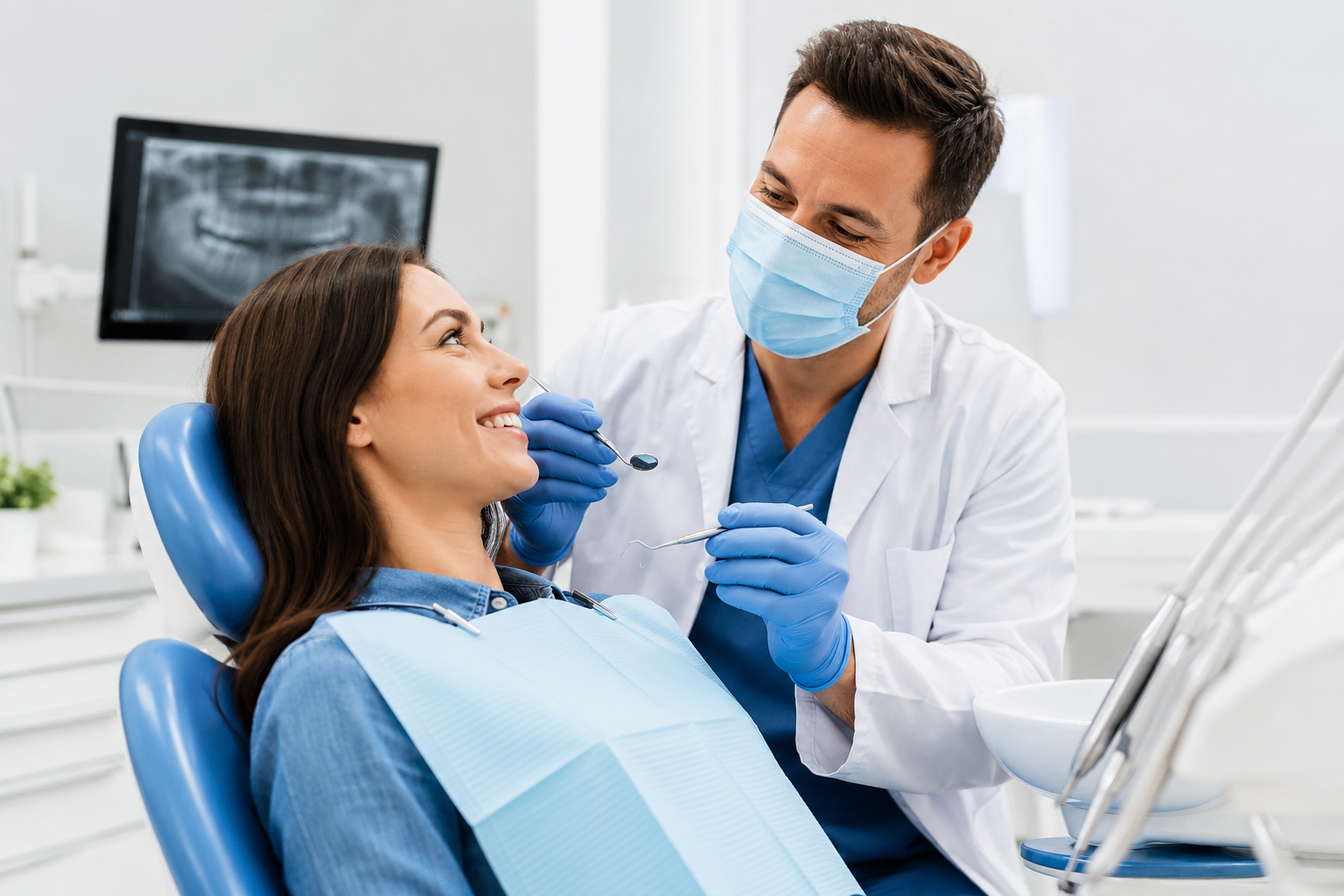
You want affordable dental care in Laguna Niguel and practical steps that actually make treatment achievable without sacrificing quality. You can find trustworthy local dental practices that offer transparent pricing, flexible payment plans, and preventive care strategies to lower long‑term costs.
They explain how sliding-scale fees, in-house financing, and community programs work so you can compare options quickly. Expect clear guidance on preventive visits, common low-cost treatments, and how modern tech can reduce chair time and unexpected bills.
They also outline how to choose a reputable practice—look for transparent estimates, patient reviews, and gentle communication—so you feel confident booking an appointment and asking about costs or payment options.
Affordable dental services balance preventive care, basic restorative work, and cost-saving options so patients maintain oral health without unexpected bills. The focus lies on routine checkups, practical restorations, and flexible payment or program choices that reduce out‑of‑pocket expenses.
Common low‑cost treatments include routine cleanings, fluoride treatments, and sealants, which prevent bigger problems later. Cleanings twice a year remove plaque and tartar, reducing risk of cavities and gum disease; fluoride strengthens enamel, and sealants protect chewing surfaces of molars.
Basic restorative care often uses composite fillings for small to mid‑size cavities because composites match teeth and cost less than onlays or crowns. Extractions and simple root canal therapy can be more economical than complex surgical alternatives; dentists often discuss phased treatment plans when immediate full restoration isn’t necessary.
Dentures and partials remain cost‑effective for replacing multiple missing teeth compared with implants. Temporary or interim crowns provide function and appearance at lower cost while patients plan for more permanent solutions.
Dentists calculate fees based on procedure complexity, materials, and overhead such as staff, sterilization, and equipment. For example, a composite filling’s cost depends on the tooth location and the time required; a molar filling typically costs more than a front tooth filling due to access and material use.
Insurance coverage, provider fees, and regional pricing in Laguna Niguel also affect patient charges. In‑network dentists agree to negotiated rates, while out‑of‑network providers set their own fees, which can increase patient responsibility.
Additional cost factors include preexisting conditions, need for sedation, imaging (X‑rays), and laboratory work for crowns or dentures. Many practices offer itemized estimates and treatment plans so patients see line‑by‑line costs and can choose less expensive alternatives when appropriate.
Start with preventive care: schedule regular cleanings and exams to catch issues early and avoid costly treatments later. Prioritize problems that threaten tooth survival—untreated infections, deep decay, or advanced gum disease—because delaying those can require more invasive and expensive care.
Use a tiered approach: urgent issues (pain, infection) first, functional repairs (fillings, crowns) next, and elective cosmetic work last. Ask the dentist for phased treatment plans and cost comparisons, such as filling vs. crown timelines.
Explore cost‑saving options: in‑office financing, dental savings plans, community clinics, and Medicaid/CHIP eligibility for qualifying patients. Request estimates, compare in‑network providers, and discuss material choices to align treatment quality with budget.
Patients can spread costs across manageable monthly payments, use third-party dental loans for larger treatments, or coordinate benefits to reduce out-of-pocket expenses. Clear pricing, pre-treatment estimates, and staff who explain options help patients choose what fits their budget and treatment timeline.
Many local practices offer in-house monthly plans that break treatment into fixed installments with no interest for a set term. For example, a $1,200 crown might be split into 6 monthly payments of $200. Staff typically require a signed agreement and initial down payment equal to one monthly installment.
Third-party providers such as CareCredit or Proceed Finance provide revolving lines of credit and promotional no-interest periods for 6–24 months. Patients should compare interest rates after promotional periods and any origination fees. Practices often assist with applications and can tell patients what portion of the estimate the plan will cover.
Ask about early-pay discounts, penalties for missed payments, and whether follow-up care (adjustments, checkups) is included. Clear written estimates and a payment schedule prevent surprises and help maintain continuity of care.
Family financing can combine multiple treatments under one plan to lower per-procedure monthly costs. Practices often create a single estimate covering parent and child treatments, then propose a consolidated payment schedule. This works well when orthodontics, fillings, and routine care occur within the same treatment window.
Some lenders offer plans specifically tailored for family dentistry with higher credit limits and flexible terms. Parents should disclose anticipated future treatments—like braces—to secure an adequate credit line and avoid reapplication delays. Pediatric care and preventive visits may be eligible for lower-cost tiers or promotional financing.
Clinics may also offer family membership plans that waive deductibles and provide discounts for routine care, reducing the need for external financing. Staff can run combined estimates and present options side-by-side to simplify decision-making for busy households.
Front-office teams usually verify benefits and estimate patient responsibility before treatment starts to minimize unexpected bills. Verification includes annual maximums, frequency limits (e.g., two cleanings per year), and waiting periods for major procedures. Patients receive a written estimate showing what insurance will likely pay and what they must pay.
When insurers deny a claim, clinics often resubmit with supporting documentation or submit appeals on behalf of patients. Coordination-of-benefits becomes important for dual-coverage situations; staff will determine primary vs. secondary payer and calculate remaining balances accordingly.
For out-of-network plans, offices can provide a detailed super-bill patients submit to insurers for partial reimbursement. Clear timelines for claims processing, co-pay collection, and billing statements help patients plan cash flow and keep treatment on schedule.
Preventive dental care reduces the chance of costly treatments by catching problems early and maintaining oral health through simple, routine actions. Regular maintenance protects teeth and gums, lowers emergency visits, and helps patients avoid complex procedures that carry higher fees.
Routine dental checkups in Laguna Niguel typically include a clinical exam, digital X-rays when indicated, and professional cleaning. These services detect cavities, gum disease, and bite problems before they require fillings, root canals, or extractions, which are substantially more expensive than preventive visits.
Professional cleanings remove plaque and tartar from below the gumline where a toothbrush cannot reach. Early periodontal treatment can stop bone loss and prevent implant or denture needs later on. Digital X-rays help identify small cavities between teeth and hidden infections, allowing conservative, lower-cost repairs.
Many offices offer hygiene plans or sliding-scale fees to make regular visits affordable. For insured patients, preventive services often have low or no copay, improving long-term cost-effectiveness. Keeping a consistent checkup schedule also stabilizes treatment planning and avoids surprise emergency bills.
Daily home care multiplies the benefit of office visits. Recommend brushing twice daily for two minutes with a fluoride toothpaste and using a soft-bristled brush to protect enamel and gum tissue. Advise replacing the brush every three months or sooner after illness.
Flossing once a day—or using interdental brushes for wider gaps—removes plaque between teeth and prevents interproximal cavities and gum inflammation. Suggest a fluoride mouthwash if the patient has high cavity risk or dry mouth from medications.
Dietary choices matter: limit sugary and acidic drinks, swap frequent snacking for structured meals, and drink water after sugary items. For patients who grind teeth, recommend a nightguard to avoid chips and costly restorations. Encourage patients to report sensitivity, bleeding, or swelling early so interventions stay simple and affordable.
Many local options help patients reduce out-of-pocket costs through income-based fees, sliding scale clinics, and community resources that assist uninsured residents. These programs focus on preventive care, basic restorations, and referrals for more complex treatment when needed.
Sliding scale clinics set fees according to household income and family size, making routine cleanings, fillings, and extractions more affordable for low- and moderate-income patients. Patients typically bring ID, proof of income (pay stubs, tax returns), and a utility bill to determine eligibility; some clinics update documentation annually.
Appointment wait times vary, so early booking helps. Clinics often prioritize urgent pain and infection, and reserve periodic slots for preventive visits to avoid costly emergencies. Many clinics accept Medi-Cal; others offer payment plans or minor discounts for seniors and students.
Services usually cover exams, X-rays, fluoride treatments, basic fillings, and uncomplicated extractions. For specialty care—root canals, crowns, implants—clinics refer to low-cost specialists or partner with dental schools that provide reduced-fee treatment under faculty supervision.
Community health centers in South Orange County and non-profit dental programs provide walk-in or sliding-fee care specifically for uninsured adults and children. Organizations such as county-funded community clinics and volunteer dental events often post availability and eligibility online or by phone.
Dental schools and teaching clinics within the region accept uninsured patients for treatment by supervised students at lower rates; expect longer appointment times but careful oversight by licensed faculty. Local churches and social service agencies sometimes maintain emergency dental funds or vouchers for extraction and urgent care.
Patients should contact the clinic directly to confirm documentation requirements, service lists, and current fees. They can also ask about financial counseling, payment plans, and charity-care applications to reduce unexpected costs.
Patients should expect qualified clinicians, clear pricing, and real patient feedback that confirm consistent care and honest billing. Look for specific credentials, transparent cost estimates, and review patterns that match the patient’s needs and comfort level.
Check for a current California dental license and board certifications when applicable. Confirm whether dentists hold advanced training—such as a Master’s in Endodontics or residency in oral surgery—for complex procedures.
Verify continuing education: ask how often clinicians take CE courses and which topics (implant placement, sedation dentistry, digital imaging). Confirm staff credentials too—dental hygienists should be RDH-licensed and assistants should have DA certification or radiography permits.
Inspect the office for modern equipment: intraoral cameras, digital X-rays, cone beam CT for implant planning, and sterilization logs. Ask about pain management options—local anesthetic protocols, nitrous oxide, or oral sedation—and whether the practice has emergency coverage after hours.
Request a written estimate before treatment that breaks down fees: procedure cost, lab fees, anesthesia charges, and follow-up visits. Compare itemized estimates from two local practices to spot wide price differences and ask what each line includes.
Ask whether the practice posts a standard fee schedule or provides membership plans for uninsured patients. Confirm insurance handling: which PPOs they accept, if they file claims electronically, and whether they provide predeterminations for major work to avoid surprise denials.
Clarify payment options: sliding scale, in-house financing, third-party plans (CareCredit), and whether deposits are refundable. For restorative work, ask about phased treatment plans that prioritize urgent care and spread costs over time.
Read multiple review platforms—Google, Yelp, Healthgrades—and focus on recurring themes like wait times, staff friendliness, and pain control. Look for recent reviews that mention the same dentist and specific procedures rather than generic praise.
Pay attention to how the practice responds to negative reviews. Professional, timely responses that offer to resolve issues indicate accountability. Beware of many short, identical reviews; those may not be genuine.
Ask the office for patient references or before-and-after photos for the procedure you need. During a visit, note appointment punctuality, how thoroughly staff explain treatment options, and whether they follow up after procedures—these behaviors often match online patient feedback.
This practice uses imaging and anesthetic advances to reduce discomfort, shorten visits, and improve treatment accuracy. Patients benefit from lower radiation, faster diagnoses, and gentler numbing methods that target only the needed area.
Digital sensors replace film to capture dental images instantly, cutting radiation exposure by up to 80% compared with traditional X-rays. High-resolution images appear on-screen within seconds, allowing the dentist to zoom, measure, and explain findings clearly to the patient.
Cone beam CT (CBCT) is available for complex cases like implant planning or evaluating jaw structures. CBCT provides a 3D view that helps avoid surprises during surgery and improves prosthetic fit. For routine exams, intraoral cameras show enamel cracks, restorations, and gum recession in color, which helps patients see the exact concern.
Digital records integrate X-rays with charts and photos, speeding up referrals and insurance claims. The clinic follows routine calibration and sensor-cleaning protocols to maintain image accuracy and infection control.
Topical anesthetics numb the gum surface before injections, reducing initial needle sensation. The clinic uses small-gauge needles and slow injection techniques to decrease pressure and tissue trauma during local anesthesia.
Computer-controlled local anesthetic delivery (C-CLAD) systems regulate flow rate, producing a steady, gentle administration that many patients find more comfortable than manual injections. For anxious patients, the office offers nitrous oxide and oral sedatives as adjuncts to reduce stress without deep sedation.
For restorative or surgical procedures, selective nerve blocks target only the treatment area, preserving sensation elsewhere. Dentists review medical history and medication interactions to choose the safest anesthetic type and dose, and they monitor vitals for longer or more complex appointments.
Finding affordable dental care in Laguna Niguel starts with a simple first step: scheduling an exam. A brief visit lets the dentist assess oral health, prioritize needs, and explain treatment options in plain language.
They often begin with a dental cleaning and X-rays to spot issues early. Preventive care like cleanings and fluoride treatments reduces long‑term costs and keeps smiles healthy.
Patients should prepare a short list of concerns and their medical history before the visit. Bringing insurance details or questions about payment plans helps the office offer the best cost‑effective options.
Many clinics in Laguna Niguel offer flexible payment plans, sliding fees, or membership plans for uninsured patients. Ask about community clinics or local dental schools that provide reduced‑cost care without compromising quality.
Here are quick tips to make the most of the first appointment:
They will explain preventive steps patients can start at home, like proper brushing, flossing, and dietary changes. This creates immediate benefits and can reduce the need for costly procedures later.
Encourage readers to call with questions or book a consultation to discuss personalized, affordable care options.
This section answers practical concerns about treatment costs, payment options, clinic choices, and simple prevention steps that commonly affect patients in Laguna Niguel. It focuses on clear actions, local resources, and ways to lower expenses without sacrificing care.
They should start with a preventive plan: twice-yearly exams, professional cleanings, and daily flossing reduce the chance of needing costly work. Community clinics and dental schools in Orange County offer lower-cost care under licensed supervision.
Ask practices about bundled visit pricing for exams and X‑rays; clinics sometimes discount when services are packaged. Look for practices that publish fees or offer free consultations to compare actual out‑of‑pocket costs.
They can pay cash, use a dental discount plan, or apply for financing through third‑party lenders like CareCredit. Many local offices accept cash-pay discounts that lower fees compared with billed insurance rates.
Dental schools and nonprofit dental clinics often treat uninsured patients at reduced rates. For urgent needs, county health programs or referral networks can direct patients to low-cost emergency care.
Yes. Many Laguna Niguel and South Orange County practices offer in‑office monthly plans or partner with third‑party medical/dental lenders. Patients should ask for an itemized estimate and available payment timetable before scheduling.
Compare interest rates, total repayment amounts, and any deferred‑interest clauses. Also confirm whether the plan covers only the procedure or also follow‑ups and potential complications.
They should compile three to five local practices and request written estimates for the same procedure, including X‑rays and follow‑up visits. Read recent patient reviews about chairside manner, sedation options, and appointment wait times to gauge comfort levels.
Schedule short consultations to meet the dentist, view treatment rooms, and ask about warranties on restorative work. A clear office communication style and transparent pricing matter as much as the fee.
The 3‑3‑3 guideline recommends three preventive actions: brush twice a day for two minutes, floss once daily, and see the dentist every three to six months as advised. Following that routine stops plaque buildup and detects small issues before they require crowns or root canals.
Consistent home care plus regular cleanings removes calculus and lowers the likelihood of advanced decay, which directly reduces long‑term dental spending.
They should get a diagnosis that includes X‑rays and ask for all treatment options: monitoring, minimally invasive repair, or full restoration. Choose materials and techniques that fit the tooth’s needs—an onlays or composite filling may preserve more tooth structure and cost less than a crown in some cases.
Request a phased treatment plan when appropriate so repairs occur over time instead of one large bill. Confirm warranties, get a written estimate, and discuss financing to avoid unexpected charges.
If they want help comparing estimates or finding low‑cost local clinics, the office welcomes inquiries and can schedule a consult to review options.